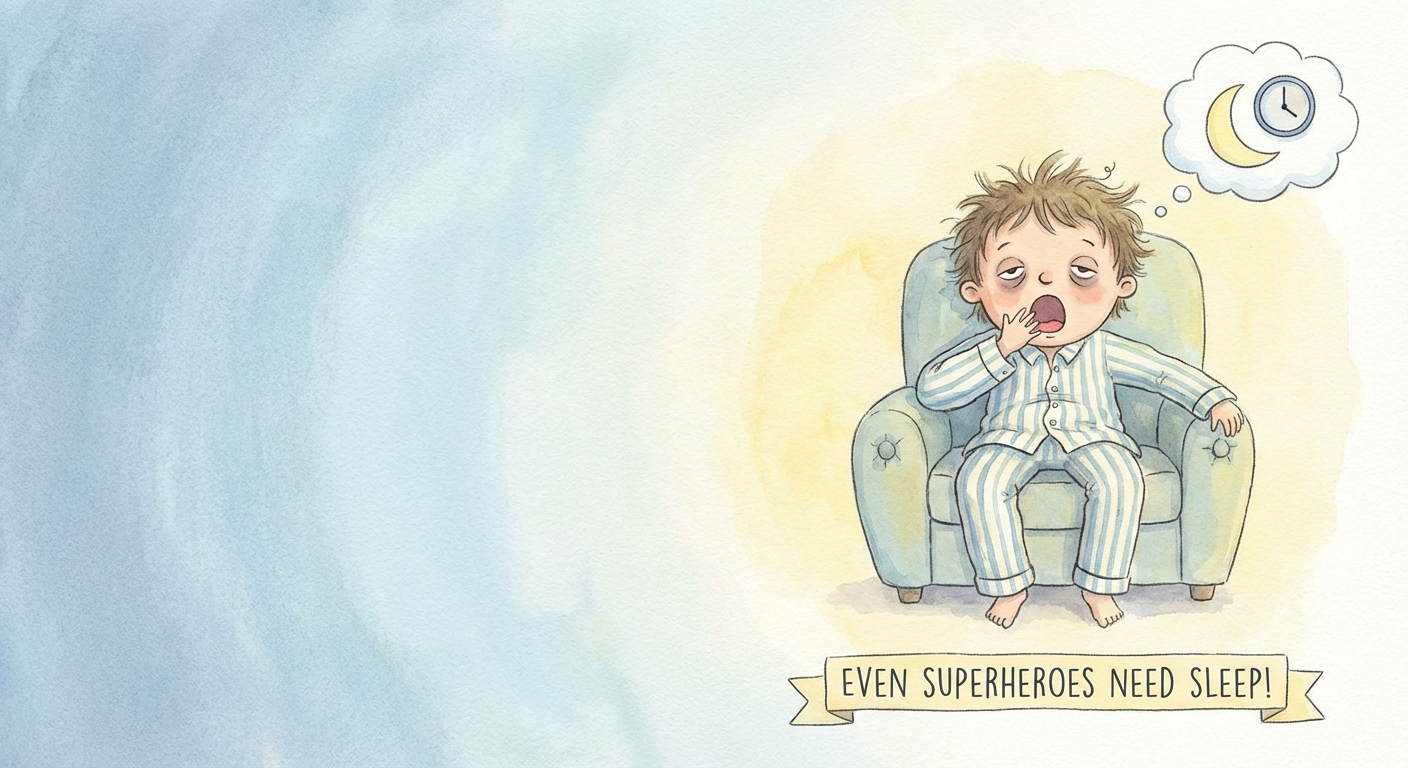
7 Signs Your Child Isn’t Getting Enough Sleep (And What To Do About It)
We all know that kids need sleep. But here’s the tricky part: tired kids don’t always act tired. In fact, an overtired child often looks hyperactive, emotional, or unfocused—nothing like the droopy-eyed yawning we expect.
So how do you know if your little one is running on empty? Let’s break down the signs that are easy to miss and talk about what you can actually do to help.
How Much Sleep Do Kids Really Need?
Before we dive into the signs, let’s get clear on the numbers. According to pediatric sleep experts, here’s what kids need in a 24-hour period:
- Toddlers (1-2 years): 11-14 hours (including naps)
- Preschoolers (3-5 years): 10-13 hours (including naps if still napping)
- School-age (6-12 years): 9-12 hours
- Teenagers (13-18 years): 8-10 hours
If those numbers seem high, you’re not alone. Most kids today are falling short—and the effects show up in ways we might not connect to sleep.
The 7 Signs Your Child Needs More Sleep
1. They’re Hyperactive Instead of Tired
This one throws so many parents off. When adults are tired, we slow down. When kids are tired, they often speed up. Sleep deprivation triggers the release of cortisol and adrenaline, which can make children appear wired, bouncy, or unable to sit still.
If your child seems to have endless energy, especially in the evenings, they might actually be overtired.
2. Meltdowns Over Minor Things
We all have our moments, but if your child is falling apart over the wrong color cup or a broken cracker, sleep might be the culprit. Emotional regulation takes a lot of brain power, and a tired brain simply doesn’t have the resources.
Watch for:
- Crying more easily than usual
- Difficulty recovering from disappointments
- Increased frustration over small challenges
- More frequent tantrums or outbursts
3. Difficulty Focusing and Forgetfulness
Sleep is when the brain consolidates memories and clears out the “clutter” from the day. Without enough rest, kids struggle to pay attention, follow instructions, and remember things they’ve learned.
This is especially important for school-age children. If homework battles are increasing or teachers mention focus issues, consider whether sleep could be a factor before assuming it’s something else.
4. They’re Getting Sick More Often
Sleep is crucial for immune function. During deep sleep, the body produces cytokines—proteins that help fight infection and inflammation. Chronic sleep deprivation weakens the immune system, making kids more susceptible to colds, flu, and other bugs.
If your child seems to catch every illness going around, their sleep habits might need a closer look.
5. Increased Appetite (Especially for Junk Food)
Here’s a sneaky one: lack of sleep affects hunger hormones. Sleep deprivation increases ghrelin (the “I’m hungry” hormone) and decreases leptin (the “I’m full” hormone). The result? A child who’s constantly hungry and craving sugary, high-carb foods.
If your kiddo is raiding the pantry more than usual, they might be tired more than hungry.
6. Clumsiness and Coordination Issues
Tired kids are clumsy kids. Sleep affects motor skills, reaction time, and spatial awareness. You might notice more tripping, dropping things, or accidents during play.
7. Waking Up Is a Battle
If your child needs multiple wake-up calls, seems groggy for a long time after waking, or is consistently grumpy in the mornings, they’re likely not getting enough quality sleep. A well-rested child typically wakes more easily and in better spirits.
Why Kids Don’t Get Enough Sleep (It’s Not Just Bedtime)
Understanding the obstacles is half the battle:
Overscheduled Days
Between school, activities, homework, and social time, many kids simply don’t have time for adequate sleep. Something has to give, and unfortunately, it’s often bedtime.
Screen Time
Blue light from devices suppresses melatonin production, making it harder to fall asleep. But beyond the light, screens are stimulating—games, videos, and social media keep the brain engaged when it should be winding down.
Anxiety and Worry
Many children have active minds that race when the lights go out. Worries about school, friendships, or even things they’ve seen on the news can keep them awake.
Environmental Factors
Light pollution, room temperature, uncomfortable bedding, and noise can all impact sleep quality without kids (or parents) realizing it.
Inconsistent Schedules
Weekend sleep-ins and variable bedtimes confuse the body’s internal clock, making it harder to fall asleep and wake up at consistent times.
What You Can Do: Practical Solutions
1. Audit the Schedule
Take an honest look at your family’s schedule. Is there room to cut an activity or shift homework time to allow for an earlier bedtime? Sleep should be non-negotiable, not what gets squeezed when everything else is scheduled.
2. Create a Tech Curfew
Establish a “screens off” time at least one hour before bed. Yes, there will be protests. Stand firm. Replace screen time with calming activities like reading, coloring, or listening to audiobooks.
3. Optimize the Sleep Environment
- Darkness: Blackout curtains or a sleep mask
- Temperature: Aim for 65-70°F
- Sound: White noise machine to mask disruptions
- Comfort: Breathable bedding and appropriate pajamas
4. Establish a Consistent Routine
The body loves routine. Same bedtime, same wake time, same pre-sleep ritual—every single day, including weekends. Consistency trains the brain to expect sleep at certain times.
5. Address Anxiety Naturally
If worry is keeping your child awake, build in time to talk about their day before the bedtime routine begins. Some families use “worry journals” where kids write down concerns before bed, symbolically setting them aside for the night.
Natural calming strategies can help too—deep breathing, gentle stretching, or aromatherapy with child-safe scents like lavender or chamomile. Some parents find that natural sleep patches with calming ingredients help ease the transition to sleep without the need for medication.
6. Watch the Diet
Avoid caffeine (including chocolate and some sodas) after noon. Offer a light, protein-rich snack before bed to prevent hunger-related wakings. Limit sugar in the evening hours.
7. Get Morning Light
Exposure to bright, natural light in the morning helps regulate the circadian rhythm, making it easier to feel awake during the day and sleepy at night. Try to get outside within an hour of waking.
When to Seek Help
While most sleep issues can be resolved with lifestyle changes, some situations warrant professional guidance:
- Loud snoring or pauses in breathing during sleep
- Significant daytime sleepiness despite adequate sleep time
- Persistent difficulty falling or staying asleep
- Sleepwalking, night terrors, or other parasomnias
- Sleep issues affecting daily functioning and well-being
Your pediatrician can help rule out sleep disorders and other underlying issues.
The Bottom Line
Sleep isn’t a luxury—it’s a biological necessity that affects every aspect of your child’s health, development, and happiness. The signs of sleep deprivation aren’t always obvious, but once you know what to look for, you can take action.
Start with one change this week. Maybe it’s moving bedtime earlier, removing screens from the bedroom, or simply being more consistent. Small changes compound over time.
Your well-rested child is waiting. And honestly? So is a more peaceful household for everyone.
Has your family struggled with sleep? What strategies made the biggest difference? Share in the comments—we’re all learning together.