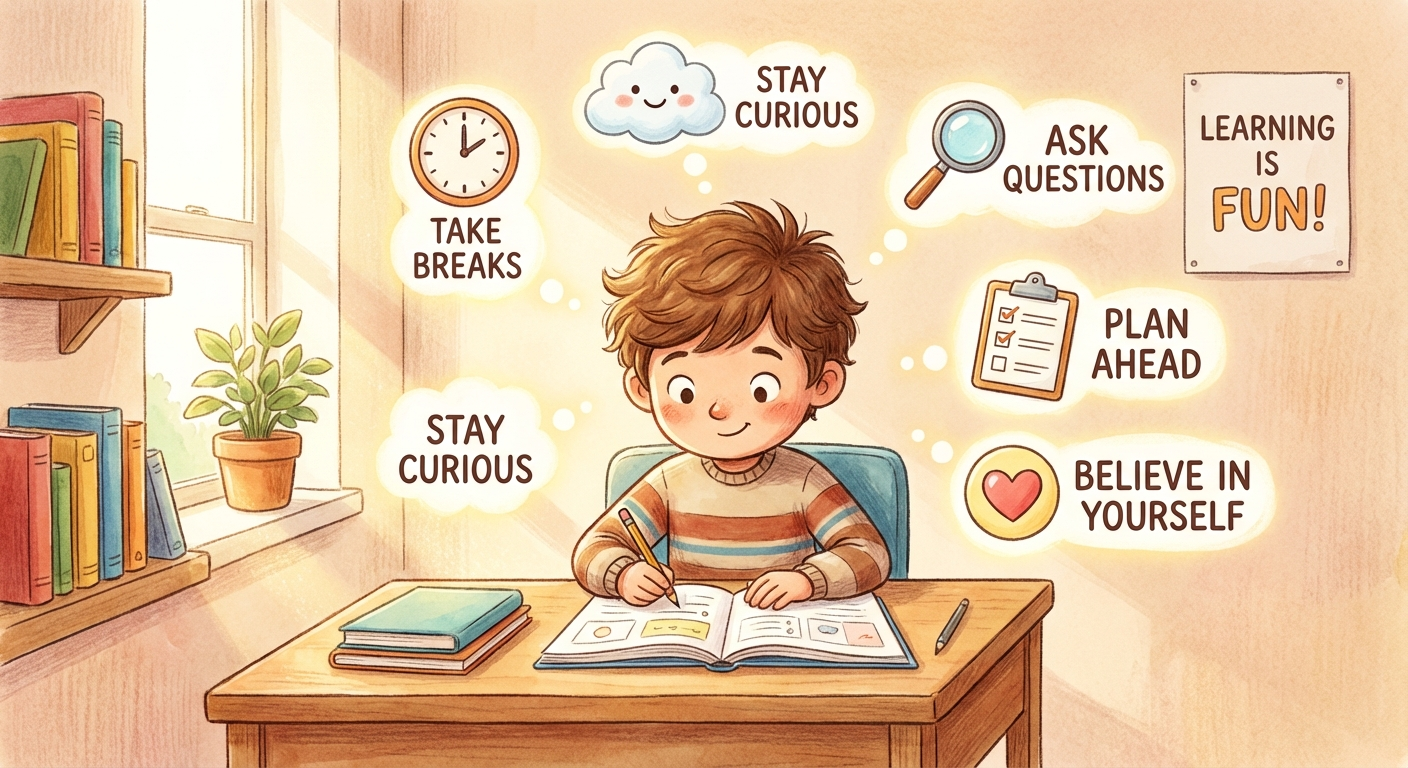
“Just focus!”
If only it were that simple. Every parent has said it, and every child has looked back with that mix of frustration and genuine helplessness. They’re not trying to be difficult — focusing is genuinely hard for developing brains.
The good news? There are proven, natural ways to help kids concentrate that don’t involve medication or endless battles. Let’s dive in.
1. Movement Before Homework
Here’s a counterintuitive truth: the path to a focused mind goes through the body first.
Research shows that just 20 minutes of physical activity before mental work significantly improves attention and cognitive performance in children. The brain releases dopamine and norepinephrine during exercise — the same neurotransmitters that attention medications target.
What to try:
- Dance party (3 songs = perfect)
- Jump rope for 5 minutes
- Walk around the block
- Bounce on a trampoline
- Do 10 jumping jacks between each subject
Don’t make them sit still and then expect them to sit still. Let them move, then they’re actually capable of stillness.
2. Snack Smart
Blood sugar crashes are focus killers. That after-school slump? It’s often just hunger masquerading as inability to concentrate.
Focus-friendly snacks include:
- Apple slices with peanut butter (protein + fiber)
- Cheese and whole grain crackers
- Hummus with vegetables
- Yogurt with berries
- A small handful of nuts
Avoid: Sugary snacks that spike and crash, fruit juice, candy bars as “fuel.” They create a 30-minute illusion of energy followed by a harder crash.
3. Create a “Focus Zone”
Environment matters more than we realize. Every visual distraction is a potential derailment.
The ideal homework spot:
- Same place every day (builds habit)
- Clear surface (nothing but current materials)
- Good lighting (natural is best)
- Minimal noise (or consistent white noise)
- Chair at the right height
- All supplies within reach (no “I need to get something” excuses)
What to remove: Toys, phones, tablets, siblings, TV noise in the background — even if they’re not watching it.
4. Chunk the Work
A child’s attention span, in minutes, roughly equals their age. A 7-year-old can sustain focus for about 7 minutes before their brain genuinely needs a break.
Try the Chunk Method:
- Break homework into small pieces
- Work for age-appropriate intervals
- Take a 2-3 minute movement break
- Return for the next chunk
Example for a 2nd grader:
- 7 minutes of math
- 2-minute stretch break
- 7 minutes of reading
- 2-minute water/bathroom
- 7 minutes of spelling
- Done
This isn’t a reward system — it’s working WITH brain development, not against it.
5. Aromatherapy for Focus
This might sound woo-woo, but the science is solid. Certain scents directly affect the brain’s limbic system, which controls attention and emotional regulation.
Research-backed scents for focus:
- Peppermint: Increases alertness and memory retention
- Rosemary: Improves cognitive performance
- Lemon: Enhances concentration and reduces errors
Many parents use essential oil diffusers during homework time. Others find wearable options (like patches or necklaces) more practical, especially since the scent stays consistent without overloading the room.
6. The Power of Routine
Brains love predictability. When homework happens at the same time, in the same place, with the same structure, the brain learns: “Oh, this is focus time.”
Build a routine:
- Same time each day (ideally after a snack and movement)
- Same location
- Same starting ritual (sharpen pencils, lay out materials)
- Same order of subjects (hardest first? Easiest first? Find what works)
- Same ending ritual (pack backpack, celebrate completion)
It takes about 3 weeks for a routine to feel automatic. Push through the initial resistance.
7. Check the Basics
Sometimes focus problems aren’t about focus at all. Check:
Sleep: Is your child getting enough? Most school-age children need 9-12 hours. Even one hour of deficit affects attention.
Hydration: Mild dehydration causes fatigue and poor concentration. Many kids don’t drink enough water.
Vision: When was their last eye exam? Trouble seeing the board or book creates the appearance of attention issues.
Hearing: Same principle. If they’re straining to hear, they can’t focus on content.
Stress: Anxiety massively impairs concentration. Is something happening at school or home that’s taking up mental bandwidth?
When to Seek More Support
Natural approaches work for many children, but not all. Consider professional evaluation if:
- These strategies don’t help after 4-6 weeks of consistent use
- Focus problems are affecting grades, friendships, or self-esteem
- Your child seems to struggle significantly more than peers
- Teachers express concern
- Your child is frustrated or giving up
ADHD and other attention disorders are real conditions that benefit from proper diagnosis and treatment — which may include natural approaches, therapy, accommodations, medication, or a combination.
The Bottom Line
Helping kids focus isn’t about forcing them to pay attention. It’s about setting up their body, brain, and environment for success.
Try one or two strategies from this list. Give them a few weeks. Adjust as needed. Progress over perfection.
Your child isn’t lazy or defiant. They’re developing. And with the right support, they’ll get there.
What helps your child focus? We’d love to hear what’s worked for your family.